
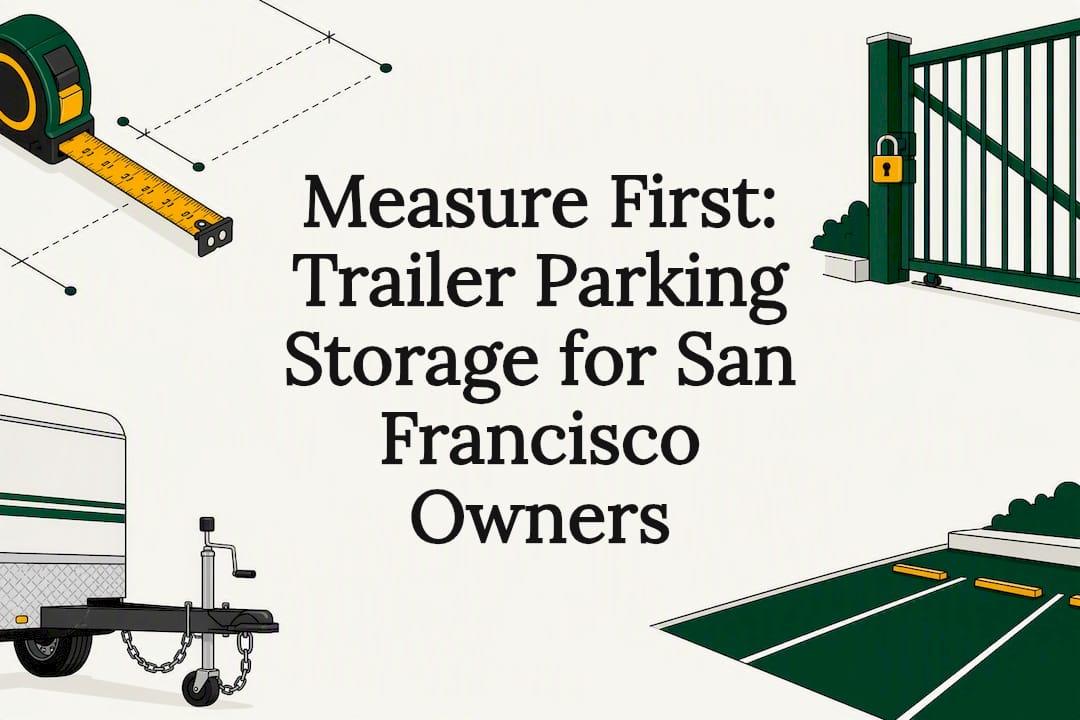
The fastest way to lock down trailer parking storage is to reserve a dedicated, gated outdoor bay sized to your full trailer length, hitch included. Skip the guesswork: measure end to end, confirm 24/7 access and cameras, and book before the next weekend rush eats up availability. Some facilities check those boxes with drive-up vehicle bays and month-to-month terms. Measure first. Then reserve.
TL;DR:
- Reserving a gated outdoor bay with 24/7 access and security cameras is the fastest way to ensure trailer storage availability.
- Outdoor uncovered lots are the most affordable and suitable for weather-resistant trailers, while indoor bays are best for high-value or sensitive trailers.
- Accurately measure your trailer from hitch to bumper, including mirrors and accessories, and add a buffer of 2 to 5 feet to avoid tight fits.
- Main factors influencing cost include trailer length, whether the stall is covered or uncovered, surface type, security features, and location demand.
- Confirm the facility’s exact dimensions, access hours, insurance requirements, and whether loaded storage is permitted before booking.
Table of Contents
- Types Of Trailer Parking Storage: What Actually Fits Your Situation
- What Security Features Should A Trailer Storage Facility Have?
- How Do You Measure A Trailer For A Storage Stall?
- How Much Does Trailer Parking Storage Cost?
- What Questions Should You Ask Before Booking A Stall?
- How Island Park Storage Matches Trailer Owners’ Needs
- Do You Need Insurance To Store A Trailer?
- Does Location Actually Matter For Trailer Storage?
- What Contract Terms Should You Expect For Trailer Storage?
- What Extra Services Should A Trailer Storage Facility Offer?
- How Do You Check A Storage Facility’s Reputation?
- What Actually Matters When You’re Choosing Trailer Storage
- Ready To Reserve A Trailer Parking Spot?
- Sources
- FAQ
Types Of Trailer Parking Storage: What Actually Fits Your Situation
Not every trailer needs the same roof type, and paying for one you don’t need is how storage budgets get blown. Here’s the breakdown, minus the sales pitch.
- Outdoor uncovered lots are the workhorses of trailer parking storage. Cheapest per month, fastest to book, and perfectly fine for utility trailers, cargo trailers, and travel trailers that can handle weather. If your trailer already lives outside your house, it’ll be fine outside a gated lot.
- Covered stalls add a roof (sometimes just a carport-style structure) without full walls. Good middle ground for owners who want some UV and rain protection but don’t need Fort Knox.
- Indoor or enclosed bays cost more and fit fewer trailer types, but they make sense for boats, classic car trailers, or anything you’d lose sleep over if hail hit it.
- Specialty options like drop-and-hook yards and container pads exist mostly for commercial fleets, but some accept personal trailers too.
Short-term staging (a weekend, a season) usually points to outdoor. Long-term storage of a high-value trailer points toward covered or indoor. Dedicated trailer yards often support both short dwell times and long-term contracts under one roof, so you’re not locked into a single use case.
What Security Features Should A Trailer Storage Facility Have?
A trailer sitting in a lot for months is a target if nobody’s watching. Before you sign anything, verify these:
- 24/7 gated access with a PIN or keycard, not just a manager who unlocks a chain at 8 a.m.
- HD camera coverage across the lot, not just at the entrance.
- Adequate lighting for nighttime hookups and hitching.
- Wide aisles and stabilized pads so you’re not fighting a tight turning radius or watching your landing gear sink into gravel.
- On-site management who can flag issues before you even notice them.
Turning radius matters more than most first-time renters expect. A 30-foot trailer needs real room to swing wide, and a lot with cramped aisles turns every drop-off into a three-point-turn ordeal. Commercial trailer lots that publish concrete pad dimensions and aisle widths make this easy to check before you ever drive over.
Pro Tip: Ask whether the facility keeps access logs. Fleet operators use this for audits, but it’s just as useful for solo owners who want proof of who came and went.
How Do You Measure A Trailer For A Storage Stall?
Guessing your trailer’s length is the single most common reason renters get stuck in a bay that’s too tight. Do it right the first time:
- Measure total length from the very front of the hitch or tongue to the rear bumper. Not just the box. The hitch counts, and skipping it is how people end up with six inches to spare and no room to close the gate.
- Measure width, including any mirrors, ladders, or side-mounted equipment that stick out.
- Check rear clearance for spare tires, generators, or ramps bolted to the back.
- Add a 2 to 5 foot buffer for maneuvering room. Facility operators generally recommend measuring the full length including hitch and building in that cushion, since a snug fit today becomes a headache the next time you need to back out in the rain.
- Match your number to a size tier. Most yards break stalls into ranges (under 15 feet, mid-range, 40-plus feet for commercial units).
Fifth-wheels and loaded reefers are special cases. Fifth-wheel hitches change your effective length calculation, and refrigerated trailers often need non-running storage since many yards don’t provide shore power for reefer units. Confirm that detail before you book if it applies to you.
How Much Does Trailer Parking Storage Cost?
Pricing swings more than people expect, and length is only one piece of it.
- Stall length tier drives the baseline. Longer trailers cost more, full stop.
- Covered vs. uncovered typically adds a premium for the roof.
- Surface type matters too. Paved or stabilized pads often cost more than raw gravel, but they protect landing gear better.
- Security level (gated, camera-covered, monitored) tends to push price up compared to a bare lot.
- Location and demand swing rates the most. A yard near a dense metro area will always cost more than one an hour outside it.
Some commercial drop-yard spots advertise pricing starting around $150 a month, though that figure varies widely by corridor and service level. Regional operators also often structure rates as flexible daily, weekly, or monthly tiers, so a trailer parked for a weekend shouldn’t cost the same per day as one parked for a year.
Watch for extra fees stacked on top of the sticker price: administrative charges, gate card deposits, or one-time setup costs. Ask for the all-in monthly number before comparing quotes side by side. Want to keep costs down without cutting corners on security? Book month-to-month instead of a long lease you might not need, and choose uncovered storage if your trailer can handle the elements.
What Questions Should You Ask Before Booking A Stall?
Treat this like buying a used car. Ask the awkward questions upfront.
- What are the exact bay dimensions? Get numbers, not “plenty of room.”
- What’s the surface? Gravel, asphalt, or compacted stabilized pad each behave differently under a loaded trailer.
- Is loaded storage allowed? Some facilities only accept empty trailers.
- What are the access hours? Confirm it’s genuinely 24/7, not “24/7 with advance notice.”
- What documents do you need? Registration, insurance, sometimes a certificate of insurance (COI) for commercial renters.
- Is there liability coverage, and what does it actually cover?
Red flags: no written contract, vague answers about surface type, no camera coverage, or a manager who can’t tell you the stall’s exact footprint. If a facility doesn’t give you a straight number on size, assume it’s because the number isn’t good.
Pro Tip: Ask for photos of the actual bay you’d be assigned, not stock photos from the website. A quick drive-by before signing catches problems no phone call will.
One-step decision rule: if a facility can answer all six questions clearly and confirms your measured length fits with buffer room, book it. If it hedges on even one, keep looking.
How Island Park Storage Matches Trailer Owners’ Needs
Island Park Storage runs the checklist you just read, not around it. Vehicle parking bays come in size tiers (11×30, 11×40, and 11×66) built for trailers, RVs, and commercial vehicles, plus drive-up self-storage units for gear that doesn’t need an outdoor stall. Every rental includes 24/7 gate access and an on-site manager who actually knows the lot, not a call center three states away.
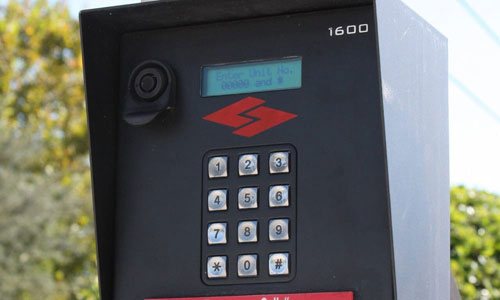
Contracts may run month-to-month with no deposit required, providing flexibility. To confirm fit, measure your trailer’s full length including hitch, then check current available bay sizes or call the office directly. Located a short drive from downtown San Francisco, accessible without heavy city traffic.
Do You Need Insurance To Store A Trailer?
Most facilities require proof of insurance before they’ll hand you a gate code, and that’s a good thing, not red tape for its own sake. A basic facility liability policy usually covers damage to the lot itself, not your trailer’s contents or the trailer if a storm knocks over a fence.
Your personal auto or RV insurance policy often extends limited coverage to a stored trailer, but “often” is doing a lot of work in that sentence. Call your provider and ask directly: does coverage continue when the trailer isn’t attached to a vehicle? Some policies suspend comprehensive coverage the moment a trailer sits unhitched for an extended period.
Facilities that ask fleet or commercial renters for a certificate of insurance (COI) aren’t being difficult. They’re protecting themselves from liability disputes, and a COI on file usually speeds up claims if something does go wrong. If you’re storing a high-value trailer, boat, or loaded cargo unit, consider a supplemental storage insurance rider. These typically cost a small monthly add-on and cover theft, vandalism, and weather damage that your standard auto policy might exclude.
Bottom line: don’t assume you’re covered. Read your policy’s fine print on “unattached trailer storage” before you need to file a claim, not after.
Does Location Actually Matter For Trailer Storage?
Yes, and not just for convenience. A lot 45 minutes from home sounds fine until you’re doing it twice a month to grab camping gear or swap seasonal equipment.
Proximity to home means quicker access for spontaneous trips. Proximity to work matters if you’re hitching up before or after a shift. But the detail people underrate most is highway access. A facility tucked behind surface streets with stoplights every block turns a “quick pickup” into a 20-minute ordeal before you’ve even merged onto the freeway.
Look for a facility close to a highway on ramp, especially if your trailer is wide or long enough that navigating tight residential streets is its own hassle. Fuel costs add up too. A stall that’s $30 cheaper a month but 25 minutes farther away can cost you more in gas and time than the savings are worth, especially if you’re making frequent trips.
Urban-adjacent lots (close to a city core but outside the traffic snarl) tend to hit the sweet spot: quick highway access without downtown congestion eating your evening. That balance is exactly why proximity to a metro area without being buried inside it tends to command a premium, but often a fair one.
What Contract Terms Should You Expect For Trailer Storage?
Read the contract before you sign it. Not after. Here’s what to look for.
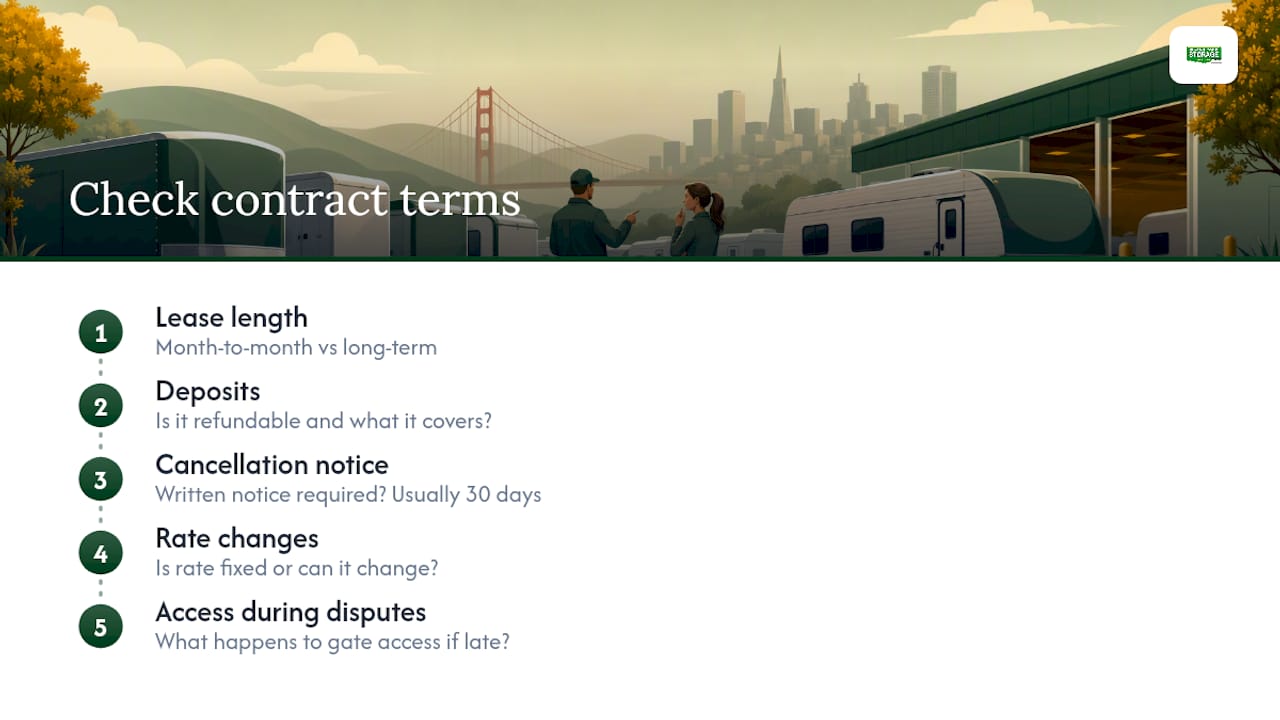
Month-to-month vs. long-term leases: Month-to-month gives you flexibility to leave without penalty, which matters if your storage needs might change with the seasons or a move. Long-term leases sometimes offer a lower monthly rate in exchange for a commitment, but they can lock you in even if the facility stops meeting your needs.
Deposits: Some facilities require a security deposit up front. Ask what it covers and whether it’s refundable, and under what conditions.
Cancellation notice: Most facilities require 30 days’ written notice before you vacate. Fewer than that, and you might owe a full extra month even after you’ve moved the trailer out.
Rate changes: Ask whether your rate is locked for the contract term or subject to change with notice. Storage facilities do raise rates, and a contract that doesn’t specify notice periods can catch you off guard.
Access during a dispute: Confirm what happens to your gate access if a payment is late by a day or two. Some facilities cut access immediately; others give a grace period.
None of this is exciting reading, but a five-minute skim now saves a frustrating call later.
What Extra Services Should A Trailer Storage Facility Offer?
Storage alone gets your trailer off the street, but a handful of extras separate a bare-bones lot from a facility that actually makes ownership easier.
Wash bays let you rinse road grime and salt off before storage, which matters more than people think. Salt left on a trailer frame over a winter month is how rust problems start.
Electrical hookups matter most for RV owners who want to run a battery tender or keep interior systems alive between trips. Not every facility offers this, so ask specifically if it’s part of your plan, especially if you’re storing anything with a battery that degrades when fully drained.
Basic maintenance access (room to change a tire, check brakes, or grease a hitch before a trip) is a small convenience that saves a separate stop at a shop.
Moving and prep supplies matter more than they get credit for. If you’re storing a trailer as part of a bigger move, having boxes and moving supplies on hand at the same facility saves an extra errand.
None of these extras should be dealbreakers on their own, but a facility offering two or three of them usually signals an operation that thinks past the bare minimum of “here’s a fence and a gate code.”
How Do You Check A Storage Facility’s Reputation?
Online reviews are useful, but only if you read them the right way. A facility with 40 reviews and a 4.6 average tells you more than one with 400 generic five-star ratings that all sound like they were written in the same afternoon.
Look specifically for reviews that mention security incidents, billing surprises, or access problems. A pattern of complaints about gate codes not working or unexpected fees is worth more than a dozen reviews just saying “great place.”
Check how the facility responds to negative reviews. A manager who addresses complaints directly and specifically shows the kind of on-site attention that matters when something actually goes wrong with your trailer.
Ask around, too. Local RV clubs, trailer forums, and even a quick post in a regional Facebook group often surface honest opinions faster than a review site. And don’t skip a physical visit if you can manage it. Photos and reviews only tell you so much. Standing in the lot for five minutes tells you whether the aisles are actually as wide as advertised and whether the place feels maintained or neglected.
What Actually Matters When You’re Choosing Trailer Storage
Size and access beat almost everything else on this list, and I’d rank them above price every time. A cheap stall that’s too tight or locks you out after hours isn’t actually cheap. It’s a problem you’ll pay for later, one way or another.
Pro Tip: Photograph your trailer’s VIN plate and registration before you call any facility. Half the booking delay owners run into is scrambling for paperwork mid-conversation.
— Mike
Ready To Reserve A Trailer Parking Spot?
Once you’ve measured your trailer and know what size bay you need, the next step is simple: check what’s actually open. Head to Island Park Storage’s vehicle parking page to see current availability across the 11×30, 11×40, and 11×66 stalls, or browse the full unit lineup if you also need a drive-up space for gear, tools, or overflow inventory.
Before you call or book online, have three things ready: your trailer’s total length including hitch, your license plate or VIN, and a phone number where the on-site manager can reach you. Island Park Storage runs month-to-month contracts with no deposit required, so there’s no long-term lease standing between you and a stall that actually fits. Reserve online, or call the office directly to confirm bay availability and get a straight answer on pricing, no upsell required.
Sources
- Chicagoland Trailer Storage & Drop Yards — Dry Van, Flatbed & Specialty | Park My Tractor
- Tripoint Storage Lot | Trailer Truck Parking Humble, TX
- Truck and Trailer Parking in Oregon, Washington - TruxGuard
- Trailer Storage in El Cajon, CA | Horn Auto & RV
FAQ
How Much Does It Cost To Store A Trailer At A Storage Facility?
Cost depends heavily on trailer length, whether the stall is covered, and location, but some commercial drop-yard spots start around $150 a month for basic outdoor stalls. At Island Park Storage, vehicle parking runs from $299 a month for an 11×30 stall up to $599 for an 11×66, depending on size.
What Is The Most Affordable Way To Store A Trailer?
Outdoor uncovered parking is consistently the cheapest option since it skips the cost of a roof or enclosed structure. Choosing month-to-month billing over a long lease also helps you avoid paying for months you don’t need.
How Do I Find Trailer Parking Storage Near Me?
Start by measuring your trailer’s total length including the hitch, then search for gated facilities in your area that specifically list vehicle or trailer parking, not just standard self-storage units. Confirm 24/7 access, camera coverage, and current bay availability directly with the facility, whether that’s by phone or through an online units page.
How Much Does It Cost To Store A 20 Foot RV?
Pricing for a 20 foot RV typically falls into a mid-range stall tier, somewhere between the smallest and largest length categories most facilities offer. Exact rates vary by facility and location, so check current published pricing directly, such as Island Park Storage’s 11×30 vehicle parking at $299 a month, which fits many 20 foot units with room for hitch length and buffer.