
Short answer: yes, if your belongings are temperature- or humidity-sensitive, valuable, or headed into storage for months at a time. If you’re storing wood furniture, electronics, photos, or anything irreplaceable, climate control (usually held around 55–85 °F) is worth it. Rugged, replaceable items in a mild climate for a short stay? A standard unit will do just fine. Run through the checklist below before you decide.
TL;DR:
- Climate control is essential for storing valuable, sensitive items such as wood furniture, electronics, artwork, and medical supplies for periods longer than three months.
- Humidity management is more critical than temperature regulation, especially for items like leather, paper, and musical instruments prone to warping, cracking, or mold.
- Short-term storage, especially in mild weather and for rugged items like tools or garden equipment, typically does not require climate-controlled units.
- The actual humidity control setup varies; not all units claiming climate control dehumidify effectively, so ask about specific temperature and humidity ranges.
- Climate-controlled storage often costs 25 to 50 percent more per month than standard units, so evaluate whether items’ value and storage duration justify the premium.
Table of Contents
- What Climate-Controlled Storage Actually Means
- Which Items Actually Need It
- When Climate Control Is Worth the Extra Money
- When a Standard Unit Is Perfectly Fine
- Your Decision Checklist Before You Book
- How Island Park Storage Fits Into This
- Why the “Just Get Climate Control to Be Safe” Advice Misses the Point
- Ready to Pick the Right Unit? Here’s Your Next Step
- Sources
- FAQ
What Climate-Controlled Storage Actually Means
Climate-controlled storage keeps temperature and humidity inside a set range, usually around 55 to 85 °F, instead of letting a unit swing with the weather outside. That range matters more than most people think. Wood cracks and warps when it swells and shrinks with humidity. Leather dries out or grows mold. Electronics and paper both suffer when moisture sneaks in.
Here’s how facilities usually deliver it:
- Indoor units sit inside a climate-controlled building, so you’re protected from wind, rain, and direct sun.
- HVAC systems regulate temperature.
- Dehumidifiers pull excess moisture out of the air, which matters more than temperature for most damage.
- Drive-up or outdoor units skip most of this, since they’re exposed to whatever the season throws at them.
If humidity control is the priority (and for most sensitive items, it is), an interior unit tends to outperform a drive-up one, even when both claim to be “climate controlled.”
Which Items Actually Need It
Not everything you own is at risk. But some items are practically begging for trouble in a regular unit. Here’s the priority list, ranked by how much damage they’re likely to take:
- Wood and leather furniture. Humidity swings cause warping, cracking, and mold. This is the classic climate-control case.
- Electronics. Moisture corrodes circuit boards; extreme heat can warp casings and damage batteries.
- Artwork and photographs. Humidity and temperature cycles cause fading, warping, and emulsion damage that you can’t undo.
- Paper documents and books. Archival materials are especially vulnerable to humidity cycles and can yellow, mildew, or become brittle within a single humid season.
- Musical instruments. Wood and glue joints in guitars, pianos, and violins shift with moisture.
- Wine. Temperature swings ruin flavor and can push corks out.
- Collectibles. Comics, trading cards, vinyl records, and similar items warp or fade fast.
- Medical supplies and medications. Many degrade outside a stable temperature range.
For packing, skip plastic wrap directly on wood or leather. It traps moisture instead of blocking it. Use breathable cotton covers, raise items off the floor on pallets, and leave a little airflow space between pieces.
Pro Tip: Photograph anything valuable before it goes into storage. If damage does happen, you’ll have proof of condition for insurance, and it’s a five-minute step people almost always skip.

When Climate Control Is Worth the Extra Money
Some situations make climate control an easy call. Others make it optional. Here’s how to sort your own situation:
- You’re storing for three months or more. The longer your items sit, the more seasonal temperature and humidity swings they’ll ride out. A single summer heat wave or winter cold snap can undo months of careful storage.
- You live somewhere humid or prone to temperature extremes. Check your regional climate patterns if you’re not sure. Coastal fog, muggy summers, or big seasonal swings all raise the risk to sensitive items.
- The items are valuable, sentimental, or impossible to replace. Family heirlooms, business inventory, or anything with real resale value deserves the extra protection. Sentimental items in particular. You can’t put a price on a box of photos, but you’ll wish you’d protected them if they come out warped.
- You’re storing a mix of sensitive and rugged items. If even part of your load is temperature-sensitive, it’s often simpler and cheaper to climate-control the whole unit rather than split your stuff across two.
If none of that describes your situation, a standard unit is probably the smarter spend.
When a Standard Unit Is Perfectly Fine
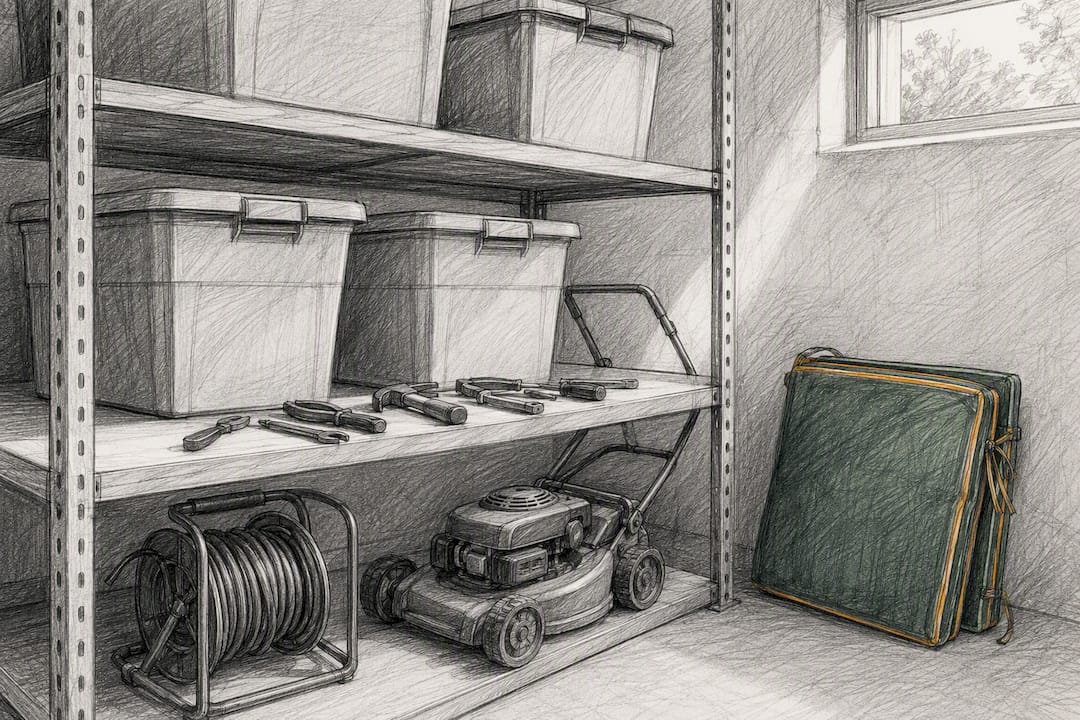
Plenty of items don’t care about temperature swings at all. Metal tools, hard plastics, garden equipment, and patio furniture can sit through a hot summer or cold winter without much drama. Sealed bins of nonperishable goods hold up fine too.
Short-term storage changes the math as well. If you’re only storing for a few weeks, or your timing lands entirely in mild spring or fall months, the risk window is small.
A few cheap tricks lower your risk even further in a standard unit:
- Store items on raised pallets instead of directly on the concrete floor.
- Toss in silica gel packets or a bucket-style desiccant to soak up ambient moisture.
- Use waterproof covers on anything metal to fend off condensation. Good packing practices like these meaningfully cut moisture risk even without climate control.
Your Decision Checklist Before You Book
Run through these questions before you sign anything:
- How many months will this stuff actually sit in storage? Write down a real number, not a guess.
- What percentage of your items are sensitive? Wood, paper, electronics, and instruments all count.
- What’s your local climate risk? Humid summers and freezing winters both push you toward climate control.
- Is an indoor unit available, or only drive-up? Ask directly. “Climate controlled” gets used loosely.
- What’s the actual humidity control setup? Not every unit that claims climate control actually dehumidifies.
- Are pest control and unit sealing part of the package? Gaps let in more than just weather.
- What are the contract terms? Month-to-month with easy cancellation beats a long lock-in if your needs change.
- What are the access hours? If you need to grab something at odd hours, this matters.
Here’s the math that actually settles the argument: climate control typically runs 25 to 50% more per month than a standard unit. Multiply that premium by your expected number of months, then compare the total to what it would cost to replace the items, or what they’re worth to you if they can’t be replaced at all. If replacement costs more than the premium, climate control usually wins the argument outright.
When you talk to facility staff, ask for the exact temperature and humidity range they maintain, how often HVAC systems get serviced, and whether your specific unit sits on an exterior wall or deep inside the building. Exterior units run warmer and more humid even with “climate control” on the label.
How Island Park Storage Fits Into This
The facility offers drive-up container units with 24/7 gate access, a variety of unit sizes, and month-to-month contracts without long-term commitments. On-site management provides personal assistance regarding unit placement and airflow.
That setup works well for a few common cases:
- Long-term furniture storage during a move or renovation, where flexible terms beat a rigid lease.
- Vehicle, RV, and boat parking that needs to stay accessible without eating up driveway space.
- Small businesses storing inventory that needs room to grow or shrink month to month.
If your list leans toward “sensitive and long-term,” ask about your unit’s specific setup before booking. If it leans toward “rugged and short-term,” a standard drive-up unit at Island Park Storage covers you without the extra spend.
Why the “Just Get Climate Control to Be Safe” Advice Misses the Point
Most storage guides tell you to get climate control “just in case.” That’s lazy advice, and it costs you money for no reason if your stuff is a couch, some tools, and a few sealed totes of holiday decorations.
The better question isn’t “climate control or not.” It’s “what exactly am I storing, for how long, and in what climate?” Answer those three honestly and the decision usually makes itself. A box of family photographs stored for a year in a humid region is not the same risk profile as camping gear stored for six weeks in mild weather, yet both often get the same blanket recommendation.
What gets overlooked most is the packing question. Even sensitive items survive better in a standard unit with good prep (pallets, breathable covers, desiccants) than fragile items shoved carelessly into a pricey climate-controlled unit. Climate control reduces risk. It doesn’t replace good packing habits.
Start with your inventory and estate list, not your fear of doing it wrong. That’s the one piece of advice worth following every time.
— Mike
Ready to Pick the Right Unit? Here’s Your Next Step
The storage service provides flexible, month-to-month terms with no deposit and no long-term lock-in, allowing renters to decide on their needs as they go.

Whether you’re storing wood furniture that needs protection or just need a rugged unit for tools and seasonal gear, you can browse unit sizes and pricing to find the right fit. Got a vehicle, RV, or boat that needs a secure spot instead? Check out vehicle and fleet parking options with the same flexible terms. Either way, reserving a unit takes a few minutes, and on-site management is there if you have questions about which setup fits your stuff best.
Sources
FAQ
Is It Better to Get Climate-Controlled Storage or Not?
It depends on what you’re storing and for how long. If your items include wood, electronics, paper, or anything valuable and you’re storing for three months or more, climate control is the safer bet. For rugged, replaceable items in a short-term stay, a standard unit saves you money without meaningfully raising your risk.
Is It Bad to Not Have a Climate-Controlled Storage Unit?
Not necessarily. Metal tools, hard plastics, and sealed bins of nonperishables hold up fine in a standard unit, especially with basic moisture protection like raised pallets and desiccants. It becomes a problem specifically when you’re storing sensitive materials like wood, paper, or electronics for an extended period.
Can Mold Grow in a Climate-Controlled Storage Unit?
It’s far less likely, but not impossible. Climate control reduces humidity swings that feed mold growth, but a unit with poor sealing, a broken dehumidifier, or items packed in plastic wrap can still trap moisture. Ask the facility how humidity is actually monitored, not just whether the unit is labeled “climate controlled.”
How Important Is Climate Control in a Storage Unit?
It’s important specifically for temperature and humidity-sensitive items like furniture, electronics, photographs, and documents, particularly during long-term storage. For rugged items or short stays, it matters far less, and the extra monthly cost may not be worth it.