
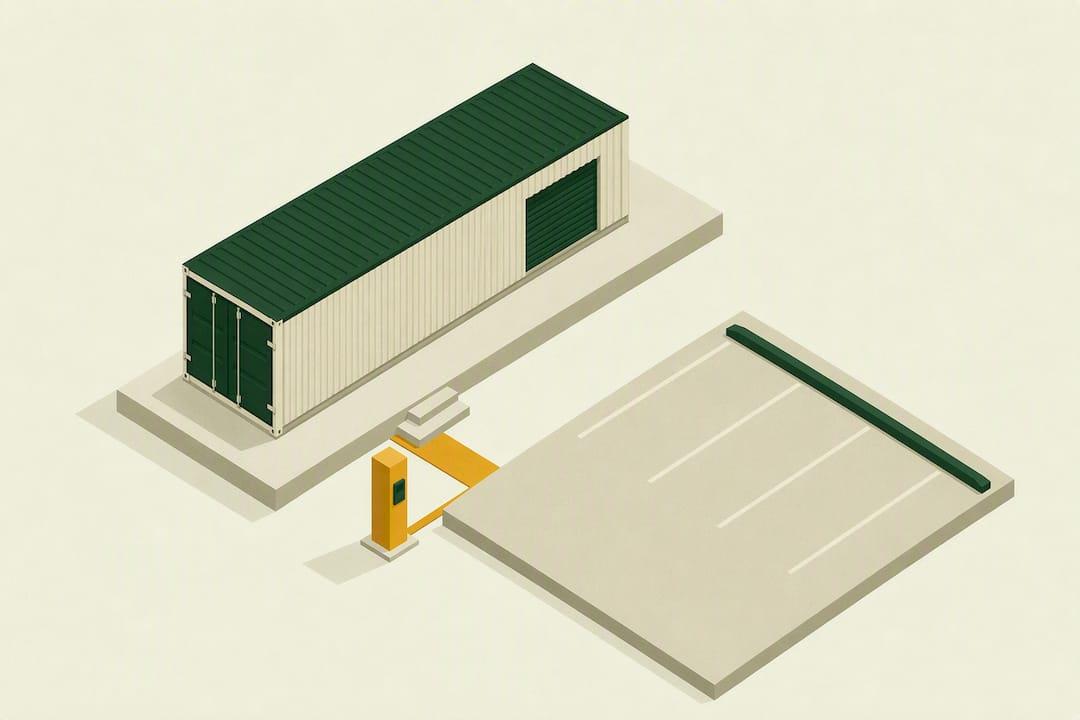
A contractor storage unit is a rentable space, usually a drive-up unit, a fenced yard stall, or a vehicle parking spot, built for stashing tools, materials, and trucks between jobs. For most contractors, the smartest setup pairs a drive-up unit with secured vehicle parking and 24/7 gate access. A facility offering exactly that combination minutes from downtown San Francisco, can fit this need.
TL;DR:
- Drive-up units with 24/7 access and secure vehicle parking are essential for quick job-site turnover and equipment safety.
- A facility with wide aisles, high security, and accessible management reduces handling time and prevents theft or damage.
- Location and added features like electrical hookups influence cost but can save time and money by reducing transportation and rental needs.
- Insurance coverage and clear policies are critical, especially when storing tools and equipment or operating small businesses from the facility.
- Flexible month-to-month leases with no long-term commitments provide adaptability for fluctuating project pipelines and crew sizes.
Table of Contents
- What Is a Contractor Storage Unit and Who Actually Uses One?
- Which Type of Unit or Yard Fits Your Work?
- What Facility Features Actually Matter for Contractors?
- How Do You Choose the Right Storage Unit or Yard?
- What Do Contractor Storage Units Typically Cost?
- Can You Run a Business Out of a Storage Unit?
- How Island Park Storage Fits Contractor Workflows
- What I’ve Learned Watching Contractors Get This Right (and Wrong)
- Ready to Set Up Storage That Actually Works for Your Crew?
- Sources
What Is a Contractor Storage Unit and Who Actually Uses One?
A contractor storage unit is exactly what it sounds like: a dedicated space for the gear, materials, and vehicles that don’t fit in a truck bed or a garage anymore. It’s not just for lumber and ladders. It’s for the stuff that keeps a job moving.
Painters use them for ladders, sprayers, and buckets of primer they don’t want sitting in a hot truck all summer. Electricians stash spools of wire, conduit, and panel boxes. Plumbers store pipe, fittings, and water heaters waiting on install dates. Landscapers park mowers, trailers, and pallets of pavers. General contractors need room for everything at once, plus overflow inventory between projects.
The demand makes sense once you look at the numbers. The Bureau of Labor Statistics found that establishments with fewer than 50 workers employed 60% of construction workers as of March 2016. Small crews rarely own a warehouse. Renting space solves the problem without the overhead.
Which Type of Unit or Yard Fits Your Work?
Not every contractor needs the same setup, and picking the wrong one wastes time and money every single week.
Drive-up units with roll-up doors work best if you’re in and out constantly. Pull your truck right up, roll the door open, load or unload without carrying anything through a hallway. This is the setup most contractors end up preferring, since it cuts handling time during job turnovers, according to Contractor Storage.
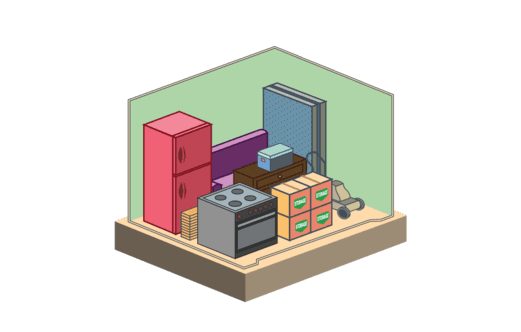
Indoor drive-in bays give you more vertical clearance and shelter from rain, wind, and sun. If you store anything sensitive to weather, like power tools or finish materials, this matters more than it sounds.
Outdoor contractor yards handle what units can’t: trailers, skid steers, stacked pallets of material, anything too big or too rough to store indoors.
Vehicle, RV, and commercial parking stalls cover trucks, work vans, and fleet vehicles. Some are covered, some aren’t, and some offer electrical access for block heaters or battery maintenance.
Pro Tip: If you’re running a crew with multiple vehicles, ask about stalls near each other. Parking your whole fleet in one row saves five minutes every morning, and five minutes times a crew adds up fast.
What Facility Features Actually Matter for Contractors?
A cheap unit with bad access policies costs you more in lost time than a pricier one with the right setup. Here’s what to check before you sign anything.
- Access hours. If the gate locks at 6 p.m., you’re locked out of a 5 a.m. materials pickup. Look for 24/7 gate access, which on-site management teams increasingly treat as a baseline expectation for contractor-ready facilities.
- Security. Perimeter fencing, gated entry, video surveillance, and decent lighting aren’t extras. They’re the difference between finding your generator where you left it and filing a police report.
- Layout. Wide aisles and drive-up access matter more once you’ve tried backing a loaded trailer into a tight corner at dusk.
- On-site management. A human who knows your unit number and can flag a broken gate beats a call center every time.
- Extra services. U-Haul rental availability, electrical hookups, and moving supplies on-site save you a separate errand when you’re already behind schedule.
How Do You Choose the Right Storage Unit or Yard?
Touring a facility takes twenty minutes. Picking the wrong one costs you months of frustration. Run through this before you sign a lease.
Size and clearance. Measure your biggest piece of equipment, then add room to walk around it. A unit that’s technically big enough but impossible to navigate isn’t actually big enough.
Vehicle access. Can you drive straight up, or are you hauling gear across a lot? Ask specifically about turning radius if you run trailers.
Access hours. Confirm the real policy, not the brochure version. Some “24-hour” facilities restrict certain gates or zones after dark.
Security and insurance. Ask what’s covered under the facility’s policy and what falls on you. Most facility managers expect you to carry your own coverage for tools and equipment.
Lease terms. Month-to-month beats a long lease if your job pipeline is unpredictable, which it usually is.
Ask these questions directly on your tour:
- What activities am I allowed to do inside the unit?
- Do you require proof of insurance, and what type?
- Is there power access, and is it included or extra?
- Are there restrictions on the vehicles I can park here?
Pro Tip: Walk away from any facility that can’t clearly answer the insurance question on the spot. If they’re vague about it now, they’ll be vague about it when something goes wrong.
Red flags worth remembering: no on-site staff, access windows that shrink without notice, and management that dodges questions about coverage.
What Do Contractor Storage Units Typically Cost?
Pricing depends on size, location, and what you’re storing, but a few patterns hold across most markets.
- 10x10 units fit hand tools, boxed materials, and smaller equipment.
- 10x20 units handle larger tool inventories, small trailers, or overflow stock.
- 10x30 units and container stalls work for full equipment loads or multiple crews sharing space.
- Vehicle and yard stalls price separately from units, often by vehicle length or footprint.
Location drives cost more than almost anything else. A yard near downtown will run higher than one twenty minutes out, but the time saved on drive time to job sites often makes up the difference. Covered parking costs more than uncovered. Bundling services, like adding power access, raises the monthly rate but can pay for itself if it saves you a rental generator.
To save money, look into multi-vehicle discounts if you’re storing a fleet, and adjust your unit size seasonally if your equipment needs shift between summer and winter work.
Can You Run a Business Out of a Storage Unit?
Most facilities let you store business property, but they draw a hard line at running active operations on-site. You can keep inventory, materials, and equipment there. Running a workshop, taking client meetings, or doing vehicle repairs on the property is usually against the lease.
Insurance matters more than contractors expect. Facility managers commonly require proof of commercial liability coverage, and you should carry inland marine or equipment coverage separately since a standard general liability policy often won’t cover tools and equipment in transit or storage.
Hazardous materials, like fuel, propane, or certain chemicals, are typically restricted or banned outright. Ask directly before you store anything flammable, and keep vehicle maintenance activity, like oil changes, off facility property unless you’ve confirmed it’s allowed.
How Island Park Storage Fits Contractor Workflows
Island Park Storage was built around the exact friction points contractors deal with daily. Drive-up container units mean you load straight from your truck instead of hauling gear down a hallway. Vehicle, RV, and commercial fleet parking covers trucks and trailers without a separate lease somewhere else. Gate access can run 24/7, so an early call doesn’t mean waiting until 8 a.m. to grab a part. Contracts can run month-to-month with no deposit, which matters when your job pipeline shifts every quarter. On-site management can mean a real person, not a call queue, when something needs attention.
What I’ve Learned Watching Contractors Get This Right (and Wrong)
The contractors who never get stressed about storage tend to do a few small things consistently: they label everything, they keep a plan for who has access when the crew changes, and they log serial numbers on major equipment before it ever goes into storage.
The other pattern I notice: the contractors who build a real relationship with on-site management get better outcomes when something goes sideways, whether that’s a gate glitch or a scheduling conflict.
— Mike
Ready to Set Up Storage That Actually Works for Your Crew?
This type of storage skips the long-term lease headache that traditional warehouse space locks you into. No deposit, no year-long commitment, just drive-up units and vehicle parking on month-to-month contracts that flex with your job pipeline.

If you’re running a crew with trucks, trailers, or a fleet that needs a home base, check out vehicle and commercial fleet parking options built for exactly that. For a straightforward look at what’s available right now, browse unit sizes and monthly pricing and reserve online in a few minutes. Got questions about fleet needs or unusual equipment? On-site management can often help discuss details before you commit to anything.